
What are you looking for?
Paula C. Brancato, CFP®, CLTC, CEPA and Harvard MBA brings a wealth of experience to the Barnum Premier Financial Group from her 20+year tenure in financial services. A graduate of the Harvard Business School, Paula honed her successful career as a consultant to investment banking clients, business owners, and insurance companies.
Paula’s specialties included providing investment banking advisory and business restructuring services that optimize business performance and corporate value for firms, including Deloitte & Touche LLC, McKinsey & Company, and others. She also founded and runs the Harvard Club’s AI special interest group worldwide and serves as NED and chairs the Audit Committee for Tower Resources PLC, a publicly traded company.
An award-winning author and lecturer, Paula has been published in the Wall Street Journal, Virginia Quarterly, Chicago Quarterly, Southern Review, Newsday, Medical Economics and CFO Magazine, among others. From 2005 to 2007, Paula served as a full-time lecturer at the University of Southern California where she created the successful, highly popular graduate level course, “Business of the Business.” For her nonprofit work in education, Paula received the NYC Mayor‘s Community Service Award.
Paula‘s varied background gives her unique insight into the financial challenges faced by high-net-worth executives, CEOs, business owners, intergenerational families and millennials. Since 2009, she has used her expertise specifically in advisory services to help clients achieve their idea of a sound financial future. Paula has earned the Certified in Long Term Care (CLTC) and Certified Exit Planning Advisor (CEPA) designation, as well as the CERTIFIED FINANCIAL PLANNER (CFP®) certification.
CA Insurance Lic # 0G89242.
I am licensed and registered to offer products and services in FL. Licenses and registrations will vary. Domiciled in FL.
Check the background of this investment professional on FINRA’s BrokerCheck
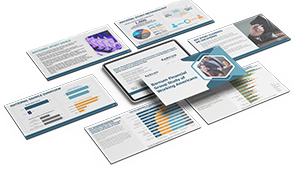
This comprehensive study dives into the evolving financial behaviors of American workers across a variety of factors, including generational, household income, gender, and employment status and more !!