
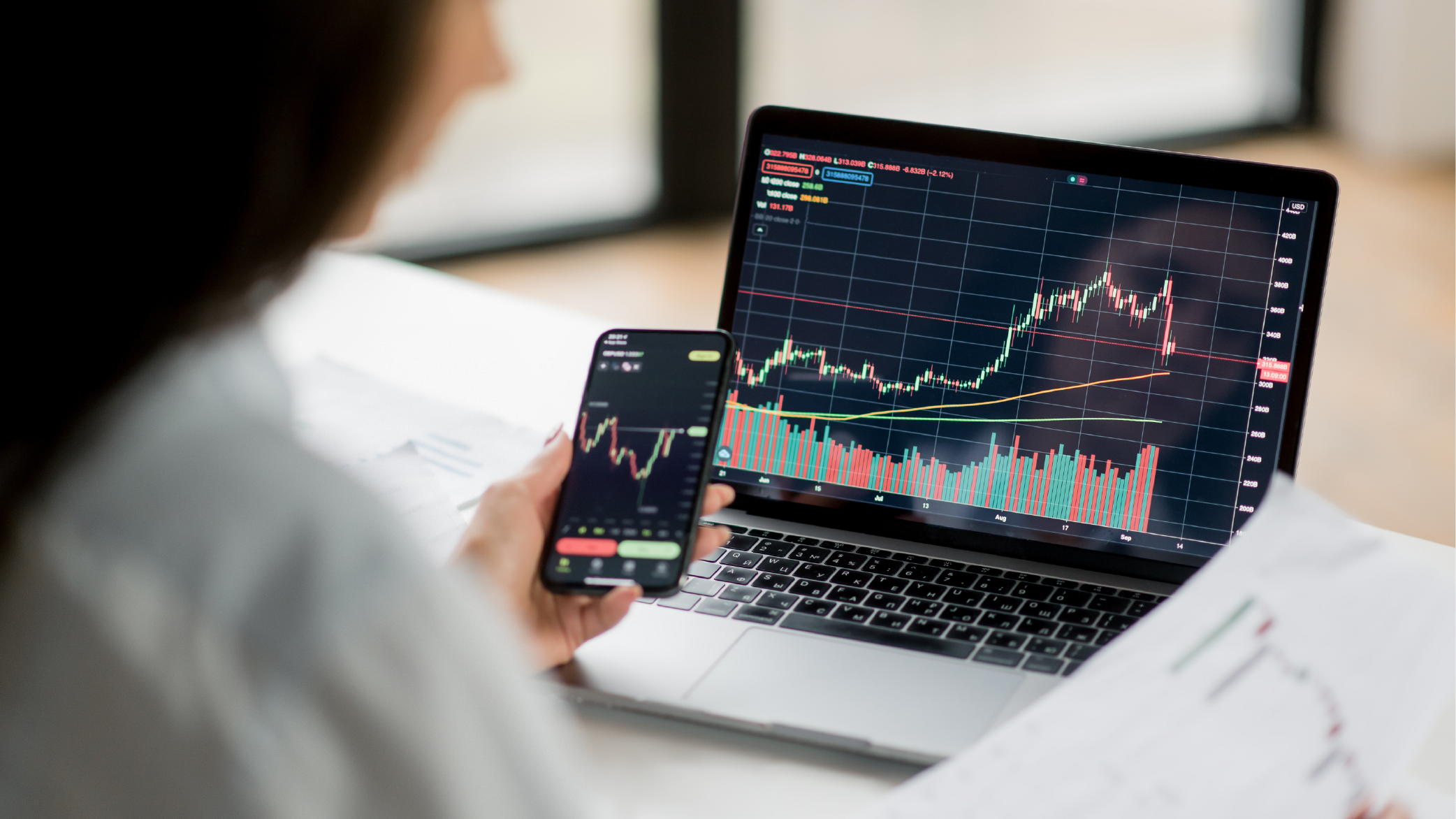
What Does “Volatile Markets” Mean?
Market volatility refers to the frequency and magnitude of price swings in financial markets. While the word “volatile” can imply unpredictability or instability, experienced investors and financial advisors often frame volatility differently, as something to be managed with flexibility, discipline, and a long-term perspective rather than reacted to with fear.
Volatility can have many causes: inflation, interest rate shifts, geopolitical events, earnings surprises, or shifts in investor sentiment. Understanding what is driving volatility at any given moment is the first step toward responding thoughtfully.
What’s Driving Market Volatility Right Now?
The nature of market uncertainty evolves over time. Earlier in this decade, inflation was the primary driver of investor anxiety with the Consumer Price Index peaked above 9% in mid-2022. Conditions have since improved substantially. According to the U.S. Bureau of Labor Statistics, the CPI rose 2.4% over the 12 months ending January 2026, a sharp decline from the peaks of a few years ago, though certain categories like food and shelter remain elevated.
Today, investors are navigating a different set of concerns, including ongoing uncertainty around trade policy and tariffs, the Federal Reserve’s interest rate path, and geopolitical instability. The specific drivers of volatility change, but the principles for managing it remain consistent.
What Should the Average Investor Do During Market Volatility?
The most important thing most investors can do during turbulent markets is resist the impulse to react emotionally. Market downturns can serve as a useful reminder to review your portfolio and ensure your mix of investments still aligns with your goals, timeline, and risk tolerance. The objective is to have a plan that makes sense regardless of short-term conditions.
If it has been a while since you reviewed your investment mix, or if your financial situation or feelings about risk have changed, a market downturn may be a good prompt to revisit your plan with a financial advisor.
Does Age Matter When Managing Market Volatility?
Yes. Your investment time horizon is one of the most important factors in determining how to respond to volatility.
For investors closer to retirement: Protecting capital becomes increasingly important as you approach the point where you’ll need to draw on your assets. This doesn’t mean moving everything to cash, but it may mean reducing exposure to more speculative or high-volatility investments. For example, shifting a portion of a portfolio from high-growth stocks toward dividend-paying value stocks or cash equivalents like CDs or short-term Treasuries can provide more stability without entirely exiting the market.
For younger investors: Time is one of the most powerful tools available. Younger investors who remain in the market through downturns have historically been rewarded. The key is not to abandon the market out of fear.
Do Markets Always Recover?
Historically, yes, though recovery timelines vary considerably depending on the severity of the downturn.
The 2008 financial crisis is frequently cited as a modern example. The S&P 500 lost approximately 50% of its value during the bear market of 2007–2009. However, the S&P 500 hit its trough on March 9, 2009, and reached new all-time highs in early 2013, a nominal recovery of roughly four to five years from the bottom, and closer to five and a half years measured peak-to-peak from the October 2007 high. It was a major recovery, but it required patience.
By contrast, during the COVID-19 pandemic, the S&P 500 fell by 34% but bounced back to its previous highs by November 2020, taking only about eight months to fully recover.
The good news is that the stock market, on the whole, has always grown in value over the long term. The S&P 500 saw average annual returns of just over 10% between 2003 and 2023. This was in spite of the index dropping in value during six of those years.
The historical record supports a consistent message: bad times in markets end. But recovery is not always quick, which is precisely why having a plan, and the discipline to stick to it, matters.
Practical Steps for Navigating a Volatile Market
1. Review your asset allocation. Make sure your current mix of stocks, bonds, and other assets reflects your risk tolerance and time horizon, not just your original plan from years ago.
2. Don’t try to time the market. No one, including professional investors, can reliably predict market tops or bottoms. Trying to exit and re-enter at the right moment often leads to worse outcomes than staying invested.
3. Consider rebalancing. If recent market moves have shifted your portfolio away from your target allocation, rebalancing can restore your intended risk profile and may present opportunities to buy assets at lower prices.
4. Maintain an emergency fund. Having liquid savings outside of your investment accounts means you’re less likely to be forced to sell investments at a loss to cover short-term expenses.
5. Talk to your financial advisor. Market volatility is one of the most important times to have a professional perspective. An advisor can help you assess whether your current strategy still makes sense, or whether adjustments are warranted.
Frequently Asked Questions About Market Volatility
Should I pull my money out of the market when it drops? For most long-term investors, selling during a downturn locks in losses and risks missing the recovery. Decisions to move out of the market should be based on your financial plan, not short-term fear.
What is a bear market? A bear market is defined as a decline of 20% or more in a broad market index from its recent high. Bear markets are a normal part of market cycles.
What is the difference between a market correction and a crash? A correction is generally defined as a decline of 10–20% from a recent peak. A crash is a more sudden and severe decline, typically greater than 20%.
Is volatility always bad? Not necessarily. Volatility creates both risk and opportunity. For long-term investors who can stay the course, market downturns can be opportunities to buy quality investments at lower prices.
How do I know if my portfolio is too risky for me? If market swings are causing you anxiety, that may be a sign your portfolio carries more risk than is appropriate for your temperament or timeline. A financial advisor can help you assess this.
The Bottom Line
Market volatility is an unavoidable feature of investing. The investors who tend to fare best over time are those who have a clear, well-constructed plan and the discipline to stay flexible without making impulsive decisions driven by short-term market noise.
A financial advisor at Barnum Financial can help you assess your current portfolio, understand your risk tolerance, and build a strategy that can weather market volatility while keeping your long-term financial goals on track.